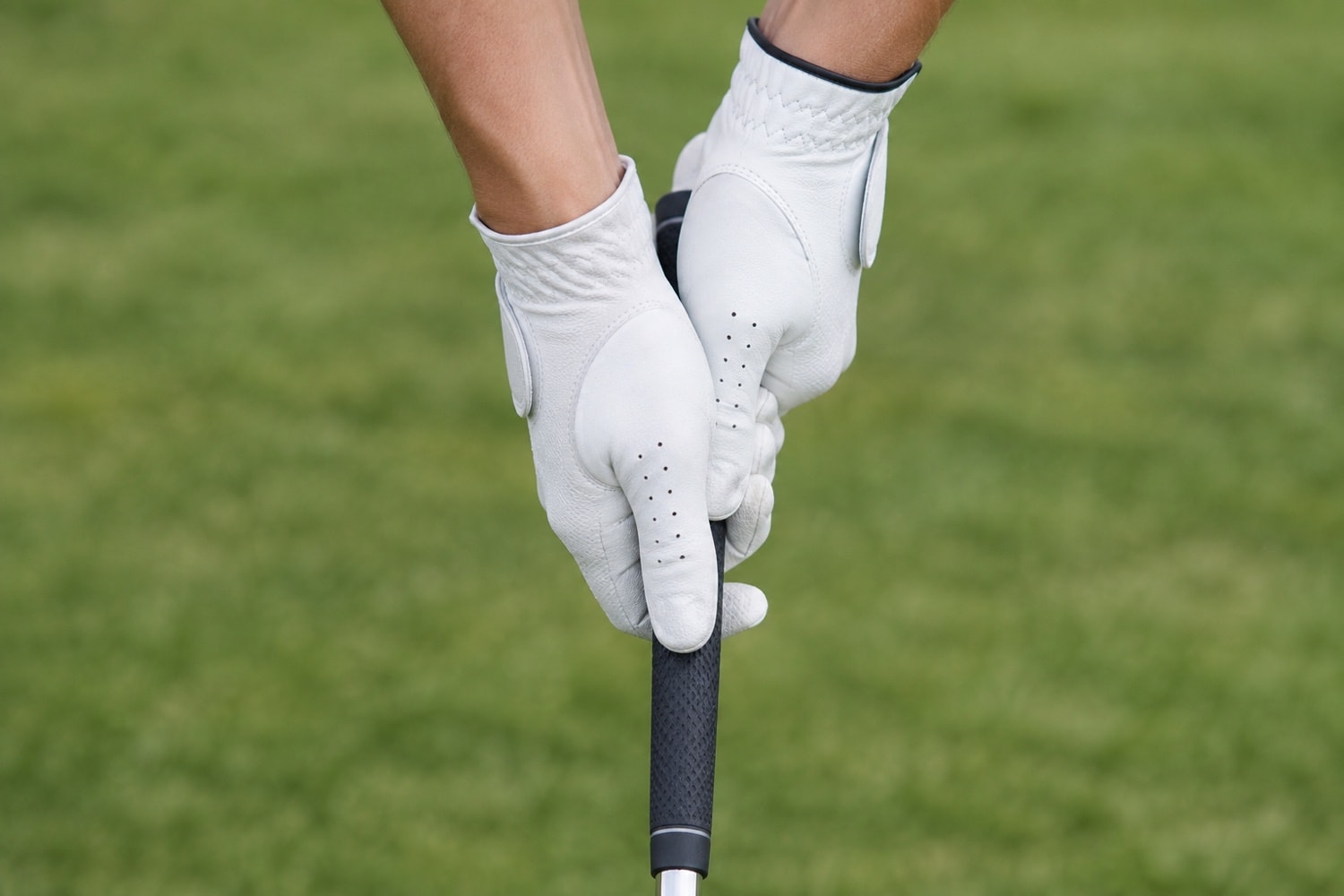
Neutral, strong and weak
A neutral grip usually shows the hands sitting neither markedly over nor under the handle. Turning both hands more away from the target is commonly called strong; turning them more toward the target is called weak. Those labels describe orientation, not quality or force.
Use neutral feedback: where the ball began, how it curved, where the club met the ground and whether the finish was balanced. Those observations are more reliable than calling a swing good or bad because it felt familiar. A brief note after the session can preserve the pattern without turning practice into constant record keeping. Describe only what you could actually observe.
Let ball flight answer
Start direction, curve and strike location tell you more than appearance alone. A face that repeatedly arrives closed or open may reflect hand position, yet path and contact also matter, so change the grip only after observing the whole pattern.
Rehearse the movement without a ball, then make a small shot and finally return to a normal swing. That progression gives the body time to organise the change while the real flight still has the final vote. If the full motion loses the idea, shorten it again instead of forcing a correction at speed. Gradual transfer is part of the work, not a retreat.
Pressure without stiffness
Hold the handle securely enough that it does not shift, while keeping the forearms and shoulders quiet. Excess pressure often travels upward and makes the takeaway abrupt; too little pressure lets the handle move independently of the hands.
Avoid adding a second correction when the first attempt looks untidy. Golf learning is noisy, and one ball cannot settle the question. Look for a repeatable trend across an attentive practice block. Keep the target large enough that you can notice motion and contact without reacting to a narrow outcome. Precision can increase after the pattern becomes more dependable.
Check the handle through the fingers
The handle should feel supported through the fingers rather than buried deep across both palms. That arrangement can help the wrists hinge without a deliberate flick and makes it easier to keep the face organised during the first part of the swing.
Take the idea to the course as one short cue, not a technical speech. Choose the shot, make the rehearsal and commit. Save detailed diagnosis for a practice area where time and safety allow it. Between shots, let attention move to the walk, the surroundings and the next decision. Constant mechanical checking makes a round feel longer and rarely produces clearer information.
Live with a change
A different grip can make the clubface feel unfamiliar even when the result improves. Begin with small swings, inspect the strike and resist the urge to judge the change from a single shot. Familiarity follows repetition; it should not be the first test.
Give the idea a fair test with a familiar club and a comfortable target. Watch the ball's starting direction, curve and contact before changing anything else. A useful cue should make the pattern clearer, not make you chase a perfect position. Pause between attempts long enough to picture the next shot, and keep the setup consistent so the feedback has a stable reference.
Rules and research in context
The R&A's Rules of Golf are the dependable reference when a technique or equipment question touches the way the game is played.
Connect the work
Carry this idea into A pre-swing checklist: setup, alignment and posture, Tempo, rhythm and a tension-free swing and Releasing the club and striking the ball first. The links between technique, practice and decisions are where a range change becomes a usable golf skill.