When your game gets stuck
There’s a difference between playing a lot of golf and working on the part that keeps costing you a shot.
In this article
Start from a real shot
The frustrating thing about a plateau is how much golf it can contain. You play Saturday, hit a bucket Wednesday, watch a lesson and turn up the next Saturday with much the same miss. Before committing to twice as many balls, pick the shot that keeps coming back. Where did it start? Where did it finish? What would a satisfactory version of it look like from the same lie?
A golfer who likes the walk, the company and the occasional magnificent seven-iron can keep all three without setting a practice goal. If there is a shot you badly want back, start there. Keep that hole in mind as you work through these seven ideas.
1 Give the fundamentals a hearing
Grip, clubface, ball position, posture and aim are available for inspection before the club has moved an inch. Jack Nicklaus kept going back to his stance. It’s an ordinary thing to be particular about, until you see a player spend a whole bucket trying to curve the ball back from the direction his feet were pointing.
Bobby Clampett’s starting place in The Impact Zone is the putter. Roll a short putt and look at the face, your lead wrist and your balance as the ball starts. Take the same questions to a chip. With a little more swing you also get to see where the club brushes the ground. Only then lengthen the motion. If the ball is already starting right of your mark on a little chip, you have something to investigate without a driver in your hands.
2 Get another pair of eyes
A video can show a motion you would swear you never made. Give a teacher the ordinary miss, including the poor shots you would rather edit out. Describe what you felt as well. Looking at a closed stance from behind the player is a very different experience from looking down at your own shoes.
Ask the teacher to pick the change most likely to help that shot, show you a way to check it on your own, and watch you try the check before you leave. If a movement is uncomfortable, say so while you’re together. A page of tips is a poor substitute for knowing what to do on Wednesday when the same ball turns up. What to bring to a golf lesson
3 Decide what is worth changing
A new grip might cost a little comfort in next week’s game. Decide whether you are willing to give it some time. Hitting a playable tee shot with the group watching may matter more to you than a lower handicap or a longer drive. That difference changes what you practice.
Put it in terms you’ll recognize on the hole. Perhaps you’d happily give up a few yards on the narrow fourth for a second shot you can see. Now you have a target for a practice ball and a reason to come back after the first awkward session. Missing a visit leaves you with an appointment to remake. It says very little about whether the grip suits you.
4 Build an appointment you can keep
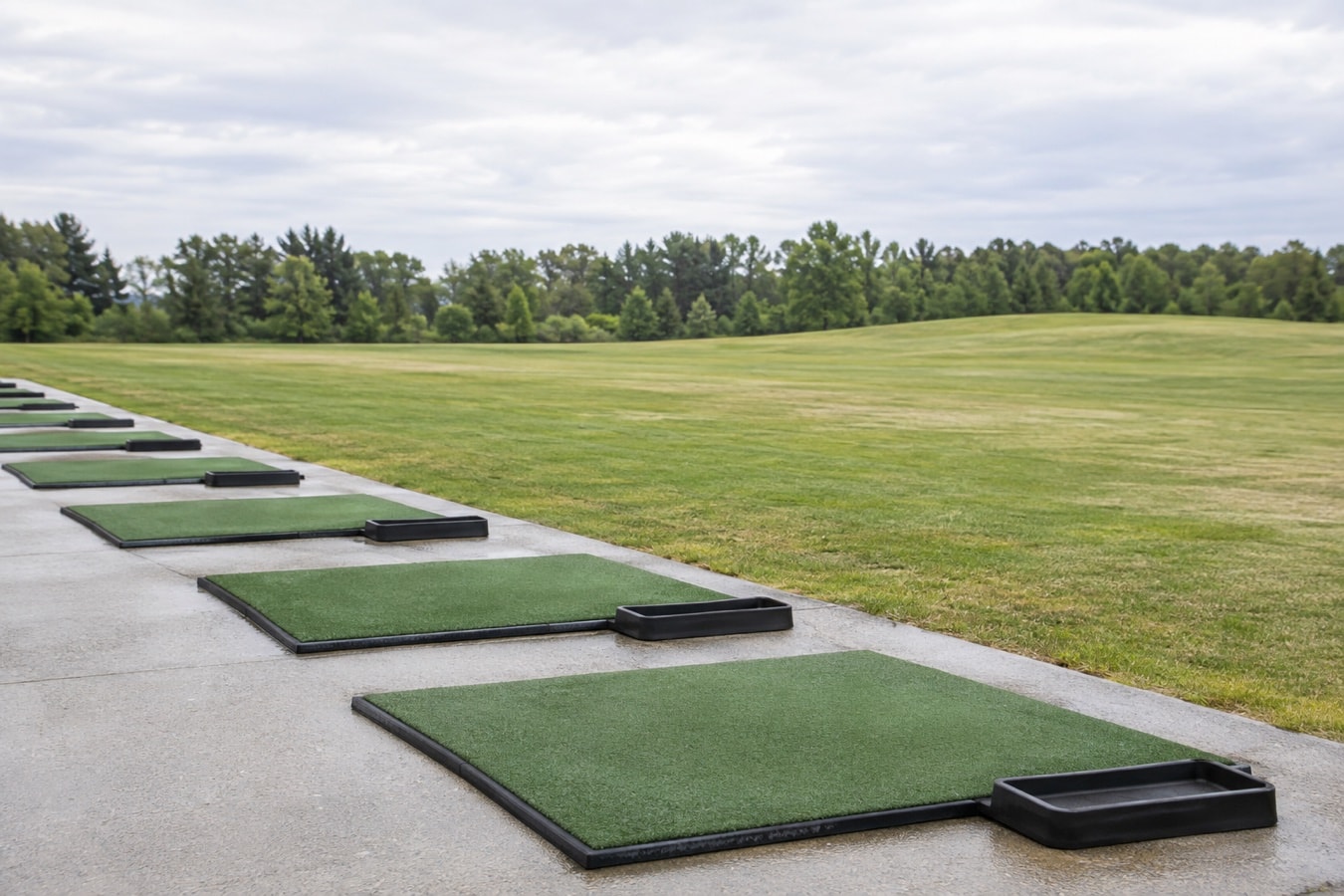
Set aside a short visit you can actually make. Take your teacher’s one task on a scrap of paper. “Wednesday after work, check the grip on chips” is specific enough to get started. Rolling up to a full bucket with the whole swing in your head is a much bigger undertaking.
Here’s one way that visit might go. Pick a landing spot on the chipping green, take the new grip, and play a few balls. Step away between them so you have to find the grip again. Move on to short irons and see whether you can start five between a pair of targets. On the card, record where they started and whether you had to look down to find the grip. Take that little piece of evidence to the next session. If the range is closed, finding the grip and aiming the face on the carpet is still an appointment you can keep.
5 Let the experiment look untidy
Ed Grant called the distinction swing focus and ball focus. Give each a turn. For the first few balls, judge the movement you came to learn. If the lesson was about setup, you can lay a rod flat behind your heels after taking your stance and step back to look. An ugly shot from the intended setup is a fair entry on that side of the card. A lovely shot from the old setup can be misleading.
Then put the rod away, change the target and play one ball with your usual routine. This time the flight and where it lands are the point. Keep both observations. They tell you whether the movement is starting to show up and whether it travels from the practice station to a shot you would choose on the course.
6 Try taking something off
Make an easy practice swing and listen to the club. Then put a ball down. Did your hands tighten just because there was something to hit? Watch a tour player finish in balance and it is often easier to hear that rhythm than to find it in the middle of your own full-blooded attempt.
Hit a small group with a comfortable three-quarter swing. Watch carry, strike location and the finish you can hold. Compare them with your usual full effort at the same target. If the shorter swing produces a tighter group and gives up very little distance, you have found a useful shot for the narrow fourth. Try it there before you consign it to the range.
7 Keep a reason to come back
What was the bit you would gladly do again? It might be rolling a putt in front of a friend, learning to play a running shot or standing on a new tee. A score can get worse for a while as you learn something new. If every ball feels like an exam, switch the next session to a short game with a friend or play a few holes with a small selection of clubs.
On the last green, write one thing to repeat and one to investigate. A solid approach after a poor drive is an observation worth keeping. It stops one bad hole from becoming the only account of the afternoon and gives the next practice session a beginning.