Find your own tempo
The practice swing has a lovely rhythm. Then someone puts a ball in the way. Here’s how to take that rhythm to the first tee.

In this article
Two players, two speeds
Watch two good players from the side. One gets the club to the top and back in what seems like no time. The other has a leisurely backswing you could almost whistle along with. Both can have wonderful rhythm. Tempo is the overall pace. Rhythm is the relationship between the parts, especially the journey back, the change of direction and the journey through.
The trouble often starts when the swing acquires an extra beat. You pull the club back easily, see the ball, then make a separate, urgent effort to hit it. A golfer can make that move in a fast swing or a slow one. Telling the fast player to slow everything down may take away the bit that was working.
Start with the club in the air
The GolfDash tempo exercise began with short flowing swings in front of the body, the club just clear of the ground. There is something freeing about taking the strike out of the exercise. Swing back and through, let the wrists move and notice where the weight of the clubhead is easiest to feel. A grip that grows tighter each time the club changes direction makes that weight hard to sense.
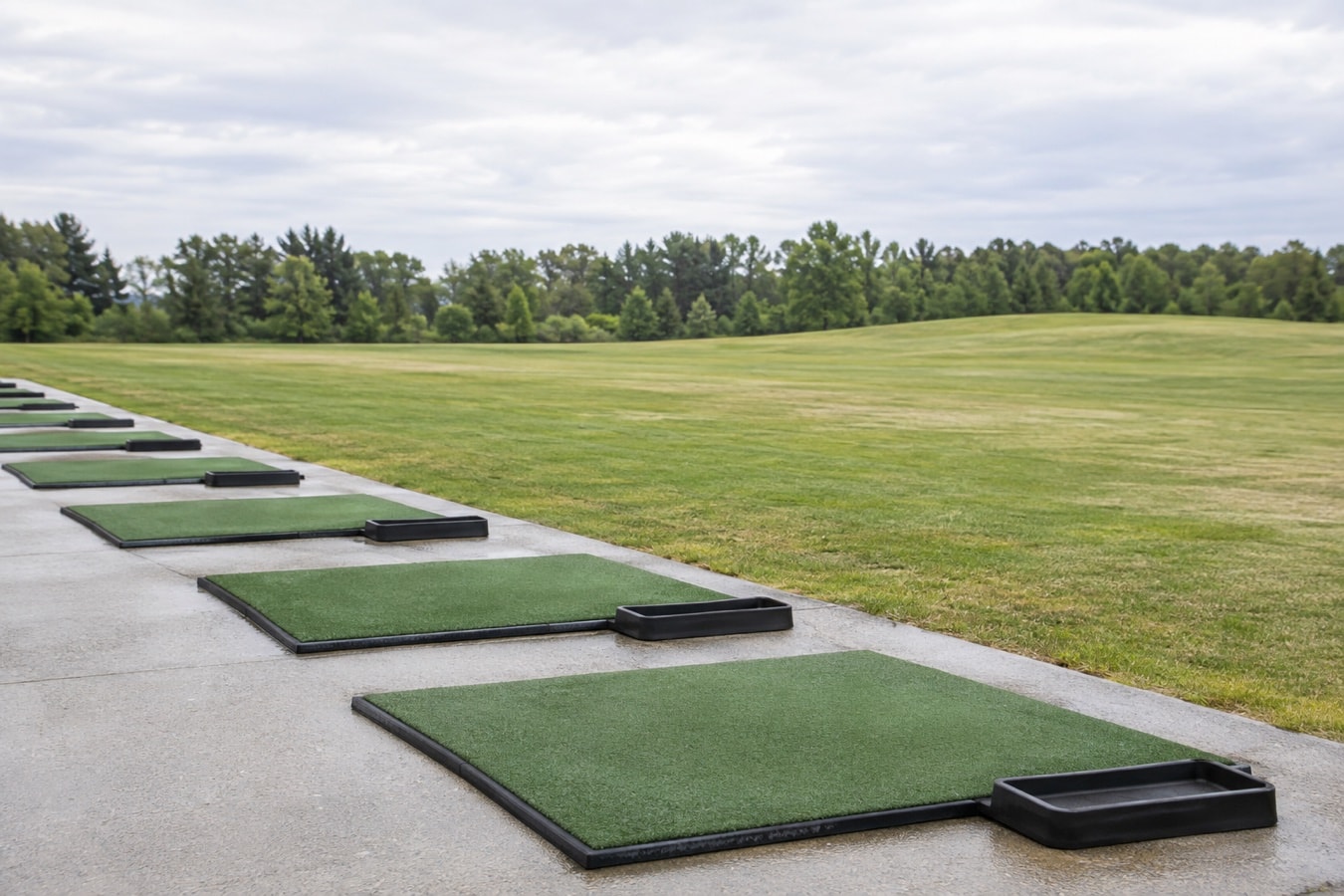
Lower the arc until it brushes grass. Make about a third of a swing. Listen for one continuous swish and find the first point where the grass bends. Then add a ball without making the movement longer. A short, properly struck iron still sends the ball a pleasing distance. Let that be enough for the first few tries.
Rehearse it in slow motion
Doug Farrick wrote about the appeal of tai chi’s slow movements in his piece on slow-motion practice. Take an empty-handed turn, or use a club where there is room, and move slowly enough to notice the place where the shoulders usually rush ahead. Let the club complete its journey. At this speed a change in pressure under a foot or a little tightening in the hands is easier to notice.
Return to a normal easy swing before judging the result. A movement you can find in slow motion is a starting place. The next question is whether you can recognize it as the motion speeds up and there is a ball to hit.
Earn the longer swing
Set aside ten balls. Count the crisp strikes that started in your chosen window. The original game used eight good contacts as the invitation to make the next swing longer. Eight is a practice target, and you decide what counts as good before starting. On an uneven patch of turf a centered strike is a more honest measure than where a range ball finally rolls.
| If the short swing gives you… | Try this next |
|---|---|
| Clean contact and the intended start | Add a little length and keep the same change of direction. |
| A good strike that starts wide | Recheck the clubface and the line of the feet. |
| Ground first, especially with extra effort | Go back to a brush and play a smaller shot. |
| A reliable half swing and a ragged full one | Keep the half swing and change clubs. |
A day spent hitting several clubs with the same comfortable half swing is a perfectly worthwhile day. You may meet exactly that shot under a branch or into a headwind. Finishing the bucket with half a dozen hurried drivers only teaches you the thing you came to change.
Take a break, then play a hole
Put the club down. Give yourself the gap you would have between the range and the first tee. The original exercise suggested a quarter of an hour. Come back, picture a hole you know and choose the club you would actually use. Go through the routine and play its tee shot. Let where it lands decide what the next shot would be.
That break matters. On the course you get time to walk, talk and change clubs. You seldom get the same lie twice. Can you find the beat again with a mid-iron after waiting your turn? Can you do it with a small wedge when your playing partner has just flown the green? These questions tell you more about the rhythm you own than the last five balls from a rapid-fire bucket.